
For years, single-use plastic quietly became part of everyday life. A plastic straw with a cold drink. A disposable spoon at a food stall. A thin carry bag was handed over without a second thought.
India’s single-use plastic ban is a significant step toward reducing plastic waste and encouraging more responsible consumption. The goal isn’t just to remove certain plastic products from the market, it’s to replace them with better alternatives that don’t remain in landfills, rivers, and oceans for hundreds of years.
What Is Single-Use Plastic?
Single-use plastics are products designed to be used once and then thrown away. They are often difficult to recycle and frequently pollute the environment.
To tackle this growing problem, India introduced a nationwide ban on several single-use plastic items that have low utility but generate huge amounts of waste. If you’d like to understand how businesses are navigating this globally, key regulations and plastic bans impacting your business offers a broader perspective worth reading.
Which Plastic Items Are Banned?
The ban covers a range of commonly used products, including:
- Plastic straws
- Plastic cutlery such as forks, spoons, knives, and stirrers
- Plastic plates, cups, and trays
- Earbuds with plastic sticks
- Plastic flags
- Candy sticks and ice cream sticks made from plastic
- Wrapping films are used around invitation cards and cigarette packets
- Thin plastic banners below the prescribed thickness
These items may seem small individually, but together they contribute to millions of tonnes of plastic waste every year.
What Can You Use Instead?
The good news is that businesses and consumers now have access to practical alternatives that work just as well, sometimes even better. As the single-use plastic ban in India continues to reshape packaging and food service industries, businesses are actively searching for sustainable replacements.
Sugarcane Bagasse Tableware
One of the most popular alternatives is tableware made from sugarcane bagasse, a natural byproduct left after extracting juice from sugarcane. Instead of being discarded, this material is transformed into sturdy plates, bowls, trays, and containers.
They’re strong enough for hot meals, microwave-safe, and completely compostable.
Paper-Based Products
Paper straws, paper bags, and paper packaging have become common replacements. They break down much faster than plastic and are generally easier to recycle.
Wooden and Bamboo Cutlery
Restaurants, caterers, and event organizers are increasingly choosing wooden spoons, forks, and stirrers. Bamboo products are also gaining popularity because they are renewable and naturally biodegradable.
Reusable Alternatives
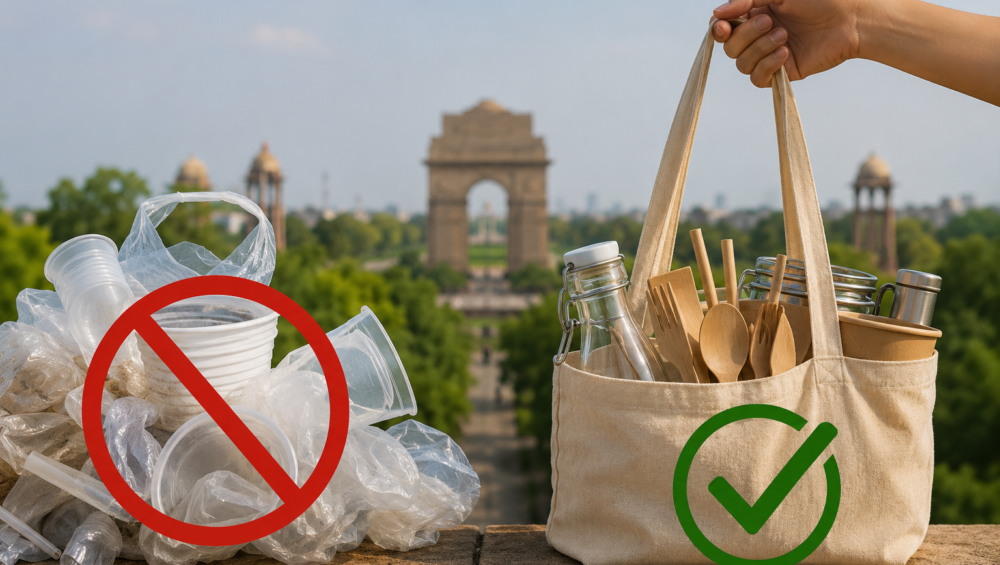
Sometimes the best replacement isn’t another disposable product at all. Reusable steel bottles, cloth shopping bags, and durable food containers help reduce waste at the source.
Why This Shift Matters?
Imagine hosting a large family gathering. Instead of ending the day with bags full of plastic waste, every plate and container can be composted and returned to the soil. It’s a small change that creates a surprisingly big impact.
When businesses and consumers make more thoughtful choices, less waste enters landfills and waterways. Over time, those choices add up.
Choosing a Sustainable Future with Eco Delicious
As more organizations and households move away from single-use plastic, sustainable alternatives are becoming essential rather than optional. The success of the single-use plastic ban in India depends not only on regulations but also on the willingness of businesses and consumers to adopt eco-friendly alternatives.
Eco Delicious is helping drive this change with biodegradable and compostable products made from natural sugarcane bagasse. Their sugarcane pulp tableware is non-toxic, strong and durable, microwave-safe, refrigerator-safe, and designed to return safely to the earth after use.
The future of sustainability isn’t built on plastic. It’s built on smarter materials, thoughtful choices, and products that work with nature instead of against it.

Harshil Lakhani is the Founder of Eco Delicious Pulp LLP, a sustainability-focused company dedicated to creating high-quality, biodegradable and compostable tableware from sugarcane bagasse. With a vision to reduce dependence on single-use plastics, he is helping drive the adoption of practical, eco-friendly alternatives for businesses and consumers worldwide.