
When people hear the words compostable or biodegradable, they often assume one thing: that it is weak. A bag that breaks down naturally must tear easily, right? Not really!
Modern compostable bags have come a long way. Thanks to advances in material technology, many of these bags are designed to handle demanding tasks without sacrificing their environmental benefits. Whether it’s carrying food waste, managing commercial composting operations, or handling heavier loads in retail and hospitality settings, compostable bags are proving they can do more than most people expect.
The real question isn’t whether compostable bags are strong. It’s whether they’re strong enough for your specific application.
What Makes Compostable Bags Strong?
Unlike traditional plastic bags made from petroleum-based materials, compostable bags are produced using plant-based resources and biodegradable polymers. Manufacturers carefully engineer these materials to deliver durability while still allowing the bag to break down under proper composting conditions.
A quality compostable carry bag can resist punctures, handle moisture reasonably well, and support substantial weight without splitting. In many everyday applications, users notice little difference between compostable and conventional plastic bags.
Strength depends on several factors, including:
- Material composition
- Thickness of the bag
- Intended use
- Storage conditions
- Load weight
Not all compostable bags are created equal, so choosing the right product matters.
Can They Handle Heavy Loads?
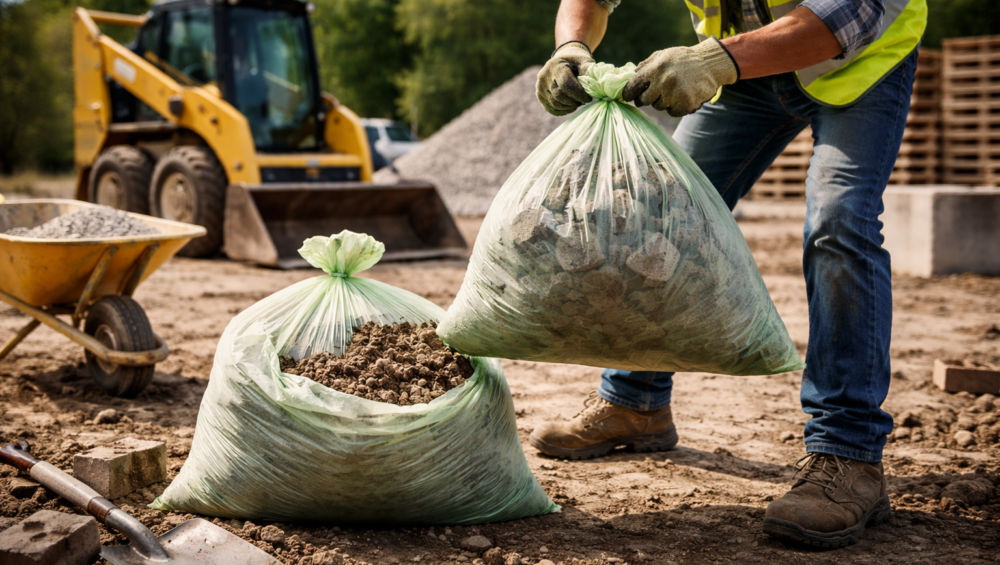
The short answer is yes, many can. Heavy-duty compostable bags are commonly used for collecting food scraps, garden waste, organic materials, and commercial kitchen waste. Restaurants, catering businesses, and event venues often rely on them because they provide both functionality and environmental responsibility.
That said, every bag has its limits. A compostable bag designed for grocery items may not perform the same way as one specifically made for industrial waste collection. Matching the bag’s capacity to the task is essential.
Think of it like footwear. Running shoes are excellent for jogging, but you wouldn’t wear them for mountain climbing. The same logic applies here.
Common Applications for Compostable Bags
Today’s compostable bags are used across a wide range of industries:
- Food service and takeaway businesses
- Grocery and retail stores
- Compost collection programs
- Hotels and hospitality operations
- Agricultural and gardening activities
- Household organic waste management
Their growing popularity shows that businesses are becoming more confident in their performance and reliability.
Factors That Affect Performance
Even the strongest compostable bag can struggle if it’s stored incorrectly.
Exposure to excessive heat, humidity, or direct sunlight may reduce its lifespan before use. For best results, businesses should store bags in a cool, dry place and use them within the recommended timeframe.
It’s also worth remembering that compostable products are designed with a purpose. They are engineered to remain durable during use and then break down when exposed to the right composting environment.
A Practical and Sustainable Choice
For businesses and consumers looking to reduce plastic waste, compostable bags offer a practical alternative without forcing major compromises on strength. When selected properly, they can handle surprisingly demanding tasks while supporting sustainability goals.
At Eco Delicious, sustainability isn’t treated as a trend, it’s part of every product they create. Using sugarcane bagasse and other natural resources, Eco Delicious develops biodegradable and compostable solutions that are strong, durable, non-toxic, microwave-safe, refrigerator-safe, and designed for real-world use. From sugarcane pulp tableware to organic bagasse fertilizers, Eco Delicious continues to support a future where everyday products serve their purpose and then return safely to the earth.

Harshil Lakhani is the Founder of Eco Delicious Pulp LLP, a sustainability-focused company dedicated to creating high-quality, biodegradable and compostable tableware from sugarcane bagasse. With a vision to reduce dependence on single-use plastics, he is helping drive the adoption of practical, eco-friendly alternatives for businesses and consumers worldwide.